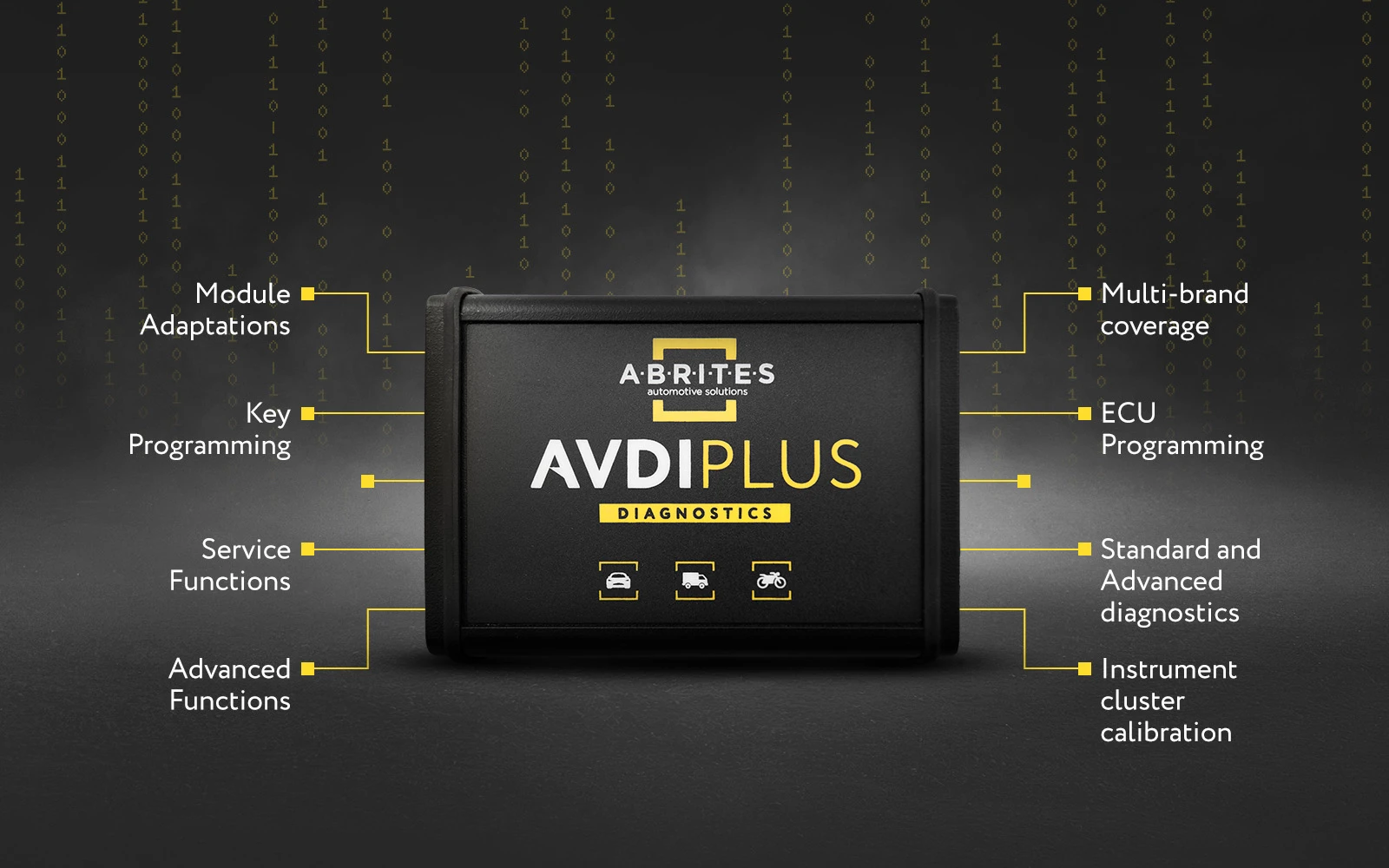
Best Car Diagnostic Tool: How to Choose the Right Solution for Professionals
Choosing the best car diagnostic tool is no longer a simple question of finding a scanner that can read and clear engine codes. That may have been enough when most faults were isolated, visible, and largely mechanical. Today, a vehicle can contain dozens of electronic modules, linked through complex communication networks, each one storing data, faults, adaptations, and operational values that matter during diagnosis.
For a professional technician, a car diagnostic tool is not just a device that plugs into the car. It is part of the working process. It helps identify the fault, confirm the cause, test the system, complete the repair, and verify that the vehicle is ready to return to the customer.
The right tool saves time. More importantly, it prevents guesswork. And in a workshop, guesswork is expensive.
What Makes a Professional Car Diagnostic Tool Different?
A basic scanner can be useful. It can read a fault code, clear a warning light, and give a quick indication of what may be happening in the engine system. For a driver, that might be enough. For a technician, it is usually only the beginning.
A professional car diagnostic tool needs to go deeper. It should give access to multiple vehicle systems, not only the engine control unit. Transmission, ABS, airbag, electronic parking brake, steering column, body control, comfort systems, immobiliser, battery management, and other modules may all be part of the same diagnostic story.
This is where professional diagnostic tools become different from simple code readers. They are expected to support full vehicle scans, live data, active tests, service functions, adaptations, module replacement procedures, key programming, and manufacturer-specific codes. A tool that only reports a generic OBD fault may point you in a direction, but it will rarely give the full picture.
Technicians also need consistency. A diagnostic scanner used in an independent garage must work reliably across different vehicles, brands, and model years. It should be compatible with newer vehicles, receive software updates, and offer practical access to the data required for real repairs.
Good diagnostics are not about pressing one button and waiting for the answer. They are about having the right information at the right moment, then using experience to make the correct decision.
From Car Fault Code Reader to Complete Vehicle Diagnostics Tool
The difference between a car fault code reader and a complete vehicle diagnostics tool is often misunderstood. A car fault code reader is usually designed for basic fault code access. It may read engine fault codes, display a diagnostic trouble code, and clear the warning light after a repair. Many inexpensive OBD II scanner models and Bluetooth scanner devices fall into this category. They are simple to use: you simply plug the device into the car’s OBD port, open an intuitive app on a phone or Android device, and read the stored codes.
That can be a good value for basic car maintenance. If the goal is to understand why the check engine light is on, a small code reader can help. It may show a fault code related to an oxygen sensor, misfire, fuel trim, or emissions-related issue.
But professional diagnostics require more than a generic code. A complete vehicle diagnostics tool should identify control modules, read manufacturer-specific codes, display live data, perform active tests, and support advanced functions. The difference becomes obvious when the fault is not in the engine, or when the car reports a symptom, but the real cause sits in another module.
For example, a fault in a steering column module, electronic parking brake, immobiliser or body control system may never be properly diagnosed with a simple engine-focused reader.
The same applies to many newer vehicles, where systems are interconnected, and one fault can trigger several warning messages across the dashboard.
A professional tool must help the technician move from “there is a fault” to “this is the system, this is the condition, this is what needs to be tested next.”
How Diagnostic Scanners Work Through the OBD Port?
Most modern diagnostic scanners connect to the vehicle through the OBD port. In Europe, onboard diagnostics became standard for petrol passenger cars from 2001 and diesel passenger cars from 2004, which is why OBD II and EOBD access are now part of everyday car diagnostic work. The OBD port gives the scanner a communication path to the onboard computer systems, allowing it to read diagnostic trouble codes, monitor data, and perform supported functions.
In simple terms, the vehicle stores a code when a control module detects a condition outside the expected range. That code may relate to a sensor signal, actuator behaviour, communication error, emissions fault, voltage issue, or system malfunction. The diagnostic tool retrieves this information and presents it to the user.
But the port itself is only the entry point. The value of the scanner depends on what it can do once it has access. A basic OBD device may only read standard emissions-related codes. A professional diagnostic system can communicate with many modules, run system scans, compare live data values, activate components, and guide the technician through specific procedures.
This is why two tools can both be called “OBD scanners” but perform very differently in a workshop. One may be suitable for a quick engine scan. Another may support advanced diagnostics, key programming, module adaptation and replacement, ECU-related procedures, and brand-specific functions.
The connection is the start. The capability behind it is what matters.
Reading a Fault Code Is Not the Same as Fixing the Car
A fault code is useful, but it is not a final diagnosis. This is one of the first lessons every professional technician learns. A diagnostic trouble code can tell you what the control module has detected. It does not always tell you why the condition happened. A code for a sensor circuit, for example, may be caused by the sensor itself, but it may also be caused by wiring, poor ground, low voltage, contamination, mechanical failure, or another system influencing the reading.
Clearing a code without understanding the reason behind it is not a repair. It simply removes the stored information until the fault appears again. In some cases, that may happen immediately. In others, the car may need a specific driving condition before the module stores the fault again.
This is where live data becomes essential. Instead of relying only on stored codes, technicians can observe real sensor values, operating conditions, and module responses. Freeze-frame data can also show what was happening when the fault was recorded: engine speed, load, temperature, voltage, speed or other parameters.
A professional diagnostic process usually follows a more careful route: scan the vehicle, identify the fault, check related modules, review live data, perform tests, complete the repair, clear the codes, then scan again. The tool supports the process, but the technician’s interpretation remains central.
A code reader tells you where to look. Professional diagnostics help you understand what to do next.
Why Live Data and Active Tests Matter in Professional Diagnostics?
Live data and active tests are two of the most important differences between basic scanning and professional diagnostics. Live data allows technicians to monitor information from sensors and modules while the vehicle is operating. This may include temperature, pressure, voltage, position, speed, fuel trim, actuator status, battery condition, and many other values. When a car has an intermittent fault, live data can show patterns that a stored fault code cannot.
For example, a sensor may not fail. It may drift outside the expected range only when the engine is hot, when the vehicle is under load, or when the voltage drops. Without live data, the technician may only see the final fault code. With live data, the behaviour becomes visible.
Active tests go a step further. They allow the user to command supported components or systems through the diagnostic tool. Depending on the vehicle and function, this may include activating pumps, valves, fans, locks, warning lights, actuators, or electronic parking brake operations. This helps confirm whether a component responds correctly and whether the control module can command it.
For professional technicians, this is where time is saved. Instead of replacing parts based only on a stored code, they can test the system. Instead of waiting for a fault to appear during road use, they can reproduce part of the operating condition in a controlled way.
The more complex the vehicle, the more valuable this becomes. Newer vehicles, electric vehicles, and highly networked systems require more than code reading. They require real diagnostic access.
Manufacturer-Specific Codes, Software Updates and Newer Vehicles
Generic OBD access has its place, but many professional repairs depend on manufacturer-specific information. A standard OBD II scanner may read emissions-related codes, but it may not access deeper systems, guided functions, or brand-specific procedures.
This matters especially with newer vehicles. Modern cars use more modules, more software, more security layers, and more communication protocols than older vehicles. Technicians may need access to manufacturer-specific codes,
adaptation channels, replacement procedures, coding functions, and special service operations. A tool that works well on an older car may not be enough for a newer platform.
Software updates are, therefore, not a luxury. They are part of the tool’s long-term value. Vehicle manufacturers continue to introduce new models, new control units, and new communication requirements. For a professional workshop, the scanner must keep moving with the vehicles entering the service bay.
This is also where hardware becomes important. Communication interfaces need to support current protocols and practical workshop use. Newer diagnostic work may involve CAN-FD, Ethernet, and other interfaces alongside legacy systems. The tool must be able to communicate with the vehicle correctly before the software can perform its function.
Brand coverage also matters. A garage that works regularly on Mercedes-Benz, Ford, BMW, VAG or other specific brands should not only ask whether the tool “supports” those vehicles. The better question is how deeply it supports them. Can it perform the functions the workshop actually needs? Can it access the modules involved in common repairs? Can it support advanced procedures, not only basic scans?
The best car diagnostic tool is rarely the one with the longest marketing list. It is the one with the right depth for the work being done.
Key Programming, Module Adaptation and Advanced Functions
Professional diagnostics often overlap with programming and adaptation. This is especially true for auto locksmiths, advanced technicians, and specialist workshops. Key programming is one example. It is not simply a matter of cutting a key and pressing a button. Modern keys, immobiliser systems, and vehicle security structures require correct procedures, reliable software, and the right access. Depending on the vehicle, key programming may involve reading data, preparing transponders, adapting modules, working with immobiliser systems, and ensuring that the vehicle recognises the keys correctly.
Module replacement is another important area. When a control unit is replaced, it may need to be adapted, coded, matched, or programmed to the vehicle. Without the right diagnostic tool, a new component may be physically installed but not function correctly. The car may still store fault codes, reject the module, or fail to communicate with related systems.
This is why professional diagnostic tools must be considered as part of the repair equipment, not as optional accessories. The scanner may be needed before the repair, during the repair, and after the repair. It helps identify the issue, supports the replacement or adaptation process, and then confirms whether the vehicle systems are communicating correctly.
At Abrites, we build our diagnostic ecosystem around this professional reality: diagnostics, key programming, module adaptation, module replacement, and advanced software functions must work together, because that is how modern vehicle repair works.
For independent garages, this can open important service opportunities. A tool with deeper functions can allow the workshop to complete jobs that would otherwise need to be outsourced. It can also improve quality, because the technician has more control over the process from start to finish.
Bluetooth Scanner or Dedicated Diagnostic Interface?
A bluetooth scanner can be useful, especially for quick checks. Many of these devices are compact, inexpensive, and easy to pair with a phone. The user can simply plug the scanner into the car’s OBD port, open an app, and read basic information. For a private driver or light maintenance use, this can be a good value.
But professional workshops usually need more. A phone-based scanner may have a convenient interface, but it often depends heavily on the app, the connection quality, and the depth of software support. It may not provide full module access, active tests, advanced service functions, manufacturer-specific procedures, or reliable support for newer vehicles. It may also be limited when working with complex faults or non-engine systems.
Dedicated diagnostic equipment is designed for a different environment. It must handle repeated daily use, different vehicle brands, deeper module access, stable communication, and advanced workflows. A large screen can help, but screen size alone does not make a tool professional. Good build quality, reliable cables, useful accessories, software coverage, and technical support matter far more.
This does not mean Bluetooth tools have no place. They do. They are helpful for quick checks, basic OBD information, and simple engine-related faults. But for independent garages, auto locksmiths, and professional technicians, they are rarely the whole answer.
A professional workshop needs equipment that can do more than identify a warning light. It needs equipment that can support a repair.
Cost, Value and Return on Investment for Independent Garages
Price is always part of the decision, but it should not be the only factor. A basic fault code reader can cost very little. Some consumer-level OBD scanners are sold at very low prices, while more advanced devices can cost several hundred pounds or more. Professional diagnostic tools sit in a different category because they are not only used to read codes. They are used to save time, avoid unnecessary repairs, complete advanced procedures, and support daily workshop work.
For independent garages, the real question is return on investment. A cheaper tool may look attractive at the point of purchase, but if it cannot access the right modules or perform the required functions, the technician may still lose time. Worse, the workshop may need to outsource jobs, decline work, or replace parts unnecessarily.
Hourly labour rates also change the calculation. If a tool helps reduce diagnostic time, confirms faults faster, and prevents repeated testing, it can quickly justify its cost. A correct diagnosis can save the customer money as well, because the repair is based on evidence rather than guesswork.
Good value does not always mean low price. Excellent value means the tool earns its place in the workshop. It should support the vehicles you see most often, provide the functions you actually use, receive software updates, and help technicians complete repairs with confidence.
A diagnostic tool is an investment in capability. The right purchase can expand what a workshop is able to do.
Comparing Professional Diagnostic Tools: What to Check Before Purchase
Before buying diagnostic scanners or scan tools, professionals should look beyond the product name and compare practical capability.
The first point is vehicle coverage. Does the tool support the brands, models, and years that enter your workshop? If you regularly work on Mercedes-Benz, Ford, BMW, VAG, or electric vehicles, coverage must be checked in detail. Broad compatibility is useful, but depth is more important than a long list of logos.
The second point is system access. A professional tool should not be limited to engine faults. It should access multiple vehicle systems and modules, including safety, comfort, body, immobiliser, and chassis-related systems where supported.
The third point is diagnostic depth. Look for live data, freeze-frame information, active tests, actuator tests, and guided functions. These features allow technicians to move from reading a code to testing the fault.
The fourth point is special functions. Depending on the workshop, this may include electronic parking brake procedures, steering column work, key programming, module adaptation, ADAS identification, coding, programming, or service resets.
The fifth point is software updates. Vehicle technology changes quickly. A tool that is not updated can become less useful as newer vehicles enter the market.
The sixth point is hardware quality. A strong diagnostic interface, reliable cables, supported accessories, and good communication stability are essential in daily use. A large screen may help the user experience, but hardware reliability and software capability matter more.
The seventh point is support. Documentation, technical information, and professional assistance can make the difference when a procedure is complex.
Finally, compare the total cost of ownership. The purchase price is only one part of the decision. Licences, subscriptions, accessories, coverage, support, and time saved all affect the real value of the tool.
Where Our Diagnostic Ecosystem Fits in the Professional Workflow?
Professional vehicle diagnostics is a workflow, not a single action. It starts with access to the vehicle and continues through scanning, interpretation, testing, repair, programming, adaptation, and final verification.
Our diagnostic ecosystem is built for this type of work. It is designed for professionals who need more than a generic scanner: independent garages, auto locksmiths, technicians, specialists, and workshops that deal with advanced vehicle systems every day.
In practice, this means supporting both standard and advanced diagnostics. Reading and clearing DTCs is only one layer. A professional environment may also require live data monitoring, actuator testing, key programming, module replacement, ECU-related procedures, coding, configuration, and special functions.
This broader approach is important because modern faults are rarely isolated. A vehicle may arrive with a warning light, but the repair may involve several systems. The technician may need to scan all modules, compare data, identify the root cause, replace or adapt a component, program keys, or complete a procedure before the vehicle is fully repaired.
The goal is not to make diagnostics more complicated. It is to give professionals the access and control they need. When the tool, software, and procedure work together, the technician can spend less time guessing and more time solving the actual problem.
That is the difference between a scanner and a professional vehicle diagnostics tool.
Choosing the Right Vehicle Scan Tool for the Work You Actually Do
The right vehicle scan tool depends on the work you perform every day.
A general repair workshop may need wide vehicle coverage, all-system diagnostics, live data, active tests, service functions, and strong support for common brands. An auto locksmith will look more closely at key programming, immobiliser functions, transponder procedures, and security-related coverage. A specialist garage may care less about universal coverage and more about depth for specific manufacturers.
Workshops dealing with electric vehicles and newer vehicles should also think carefully about communication protocols, battery-related systems, module access, and software updates. EV diagnostics is not only about reading generic codes. It can involve high-voltage system data, battery management information, control modules, and procedures that require accurate access.
Mobile technicians may value portability, stable hardware, fast setup, and reliable software. Larger workshops may prioritise deeper capability, multiple licences, accessories, and integration into a broader repair process.
This is why the best car diagnostic tool is not the same for every professional. A tool that is perfect for quick OBD checks may be too limited for key programming. A scanner that works well for basic service may not be enough for module replacement. A low-cost reader may be a good value for simple faults, but it may become expensive if it cannot complete the job.
Choosing the right vehicle scan tool starts with one honest question: what work do you need to perform, and what access do you need to perform it properly?
The Best Tool Is the One That Gives You Control
The best car diagnostic tool is not defined only by price, screen size, or the number of vehicles listed on a compatibility page. It is defined by what it allows the technician to do.
A professional car diagnostic tool should provide reliable access to vehicle systems, clear fault information, live data, active tests, manufacturer-specific functions, software updates, and the ability to support real repairs. It should help diagnose faults faster, reduce unnecessary part replacement, and give the workshop more control over the repair process.
A simple code reader can be useful. A Bluetooth scanner can be convenient. But professional diagnostics requires a complete vehicle diagnostics tool that supports the way modern vehicles are actually built.
The right vehicle scan tool gives technicians confidence. It helps them understand the fault, test the system, complete the repair, and return the vehicle with proof that the job has been done properly.
Frequently Asked Questions
Can a car diagnostic tool help avoid unnecessary repairs?
Yes, a car diagnostic tool can help reduce unnecessary repairs by giving technicians clearer information before parts are replaced. A fault code may point to a sensor, but live data can show whether the sensor is actually failing or whether the issue comes from wiring, voltage, pressure, temperature or another system. This is especially important when labour time is expensive and repeated testing increases the final cost. In a professional workshop, diagnostics should support evidence-based repairs, not guesswork.
Is a cheap OBD II scanner enough for professional car diagnostic work?
A low-cost OBD II scanner can be useful for basic engine faults, especially when a driver wants to check a warning light or read a generic code. However, professional car diagnostic work usually requires more access. A basic code reader may not communicate with ABS, airbag, transmission, steering column, electronic parking brake, or immobiliser modules. It may also miss manufacturer-specific codes and advanced functions. For independent garages, the better choice is usually a vehicle diagnostics tool that can scan deeper systems and support real repair procedures.
Do diagnostic scanners work with electric vehicles?
Many diagnostic scanners can work with electric vehicles, but the level of access depends on the tool, software, and vehicle coverage. Electric vehicles still use electronic modules, fault codes, and live data, but the systems involved can be different from those in combustion-engine cars. Battery management, high-voltage control, charging systems, thermal management, and power electronics may require more advanced diagnostic access. For technicians working with newer vehicles, it is important to choose diagnostic tools with regular software updates and confirmed compatibility for EV platforms.
What should technicians check before clearing a fault code?
Before clearing a fault code, technicians should save or review the diagnostic trouble code, freeze-frame information, and related live data. Clearing codes too early can remove useful evidence, especially if the fault is intermittent and does not return immediately. It is also important to scan all relevant modules, because one visible warning may be caused by a fault stored in another system. A vehicle scan tool should be used not only to clear the fault, but to confirm whether the repair has solved the underlying issue.
Can a phone-based Bluetooth scanner replace professional diagnostic equipment?
A phone-based Bluetooth scanner can be convenient for quick checks, especially when paired with an intuitive app on Android or iOS. It can be a good option for basic OBD information, simple engine codes, and light car maintenance. However, it usually cannot replace professional diagnostic equipment in a workshop. Technicians often need stable communication, advanced functions, active tests, module access, key programming support, accessories, and software coverage across a wide range of vehicles. For professional repairs, a Bluetooth scanner is better seen as a quick-check device, not a complete car diagnostic tool.
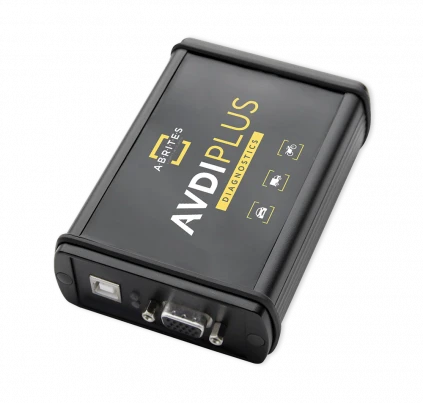 AVDI
AVDI