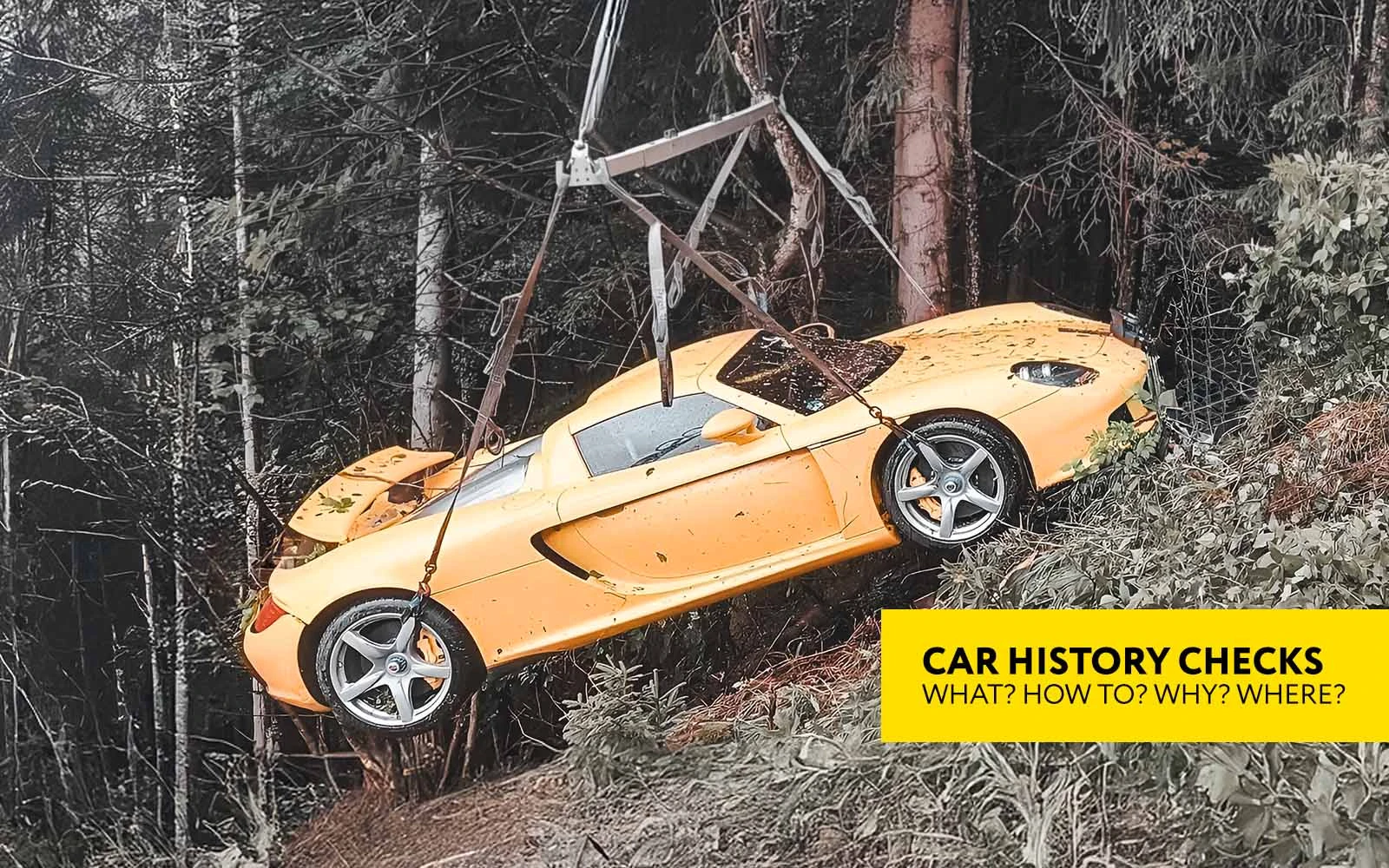
Car History Checks: What–How–Why–Where? 2026 Ultimate Guide to VIN Verification
I. What is a car history check?
A car history check is a digital due diligence process used to verify a vehicle's legal and technical past using its VIN (Vehicle Identification Number) or license plate. It cross-references international databases—including police records, insurance claims, and financial institutions—to identify stolen status, mileage fraud, or outstanding finance. While online services like carVertical provide excellent historical records (such as auction photos and past registrations), a complete check requires a physical diagnostic inspection to verify internal electronic modules.
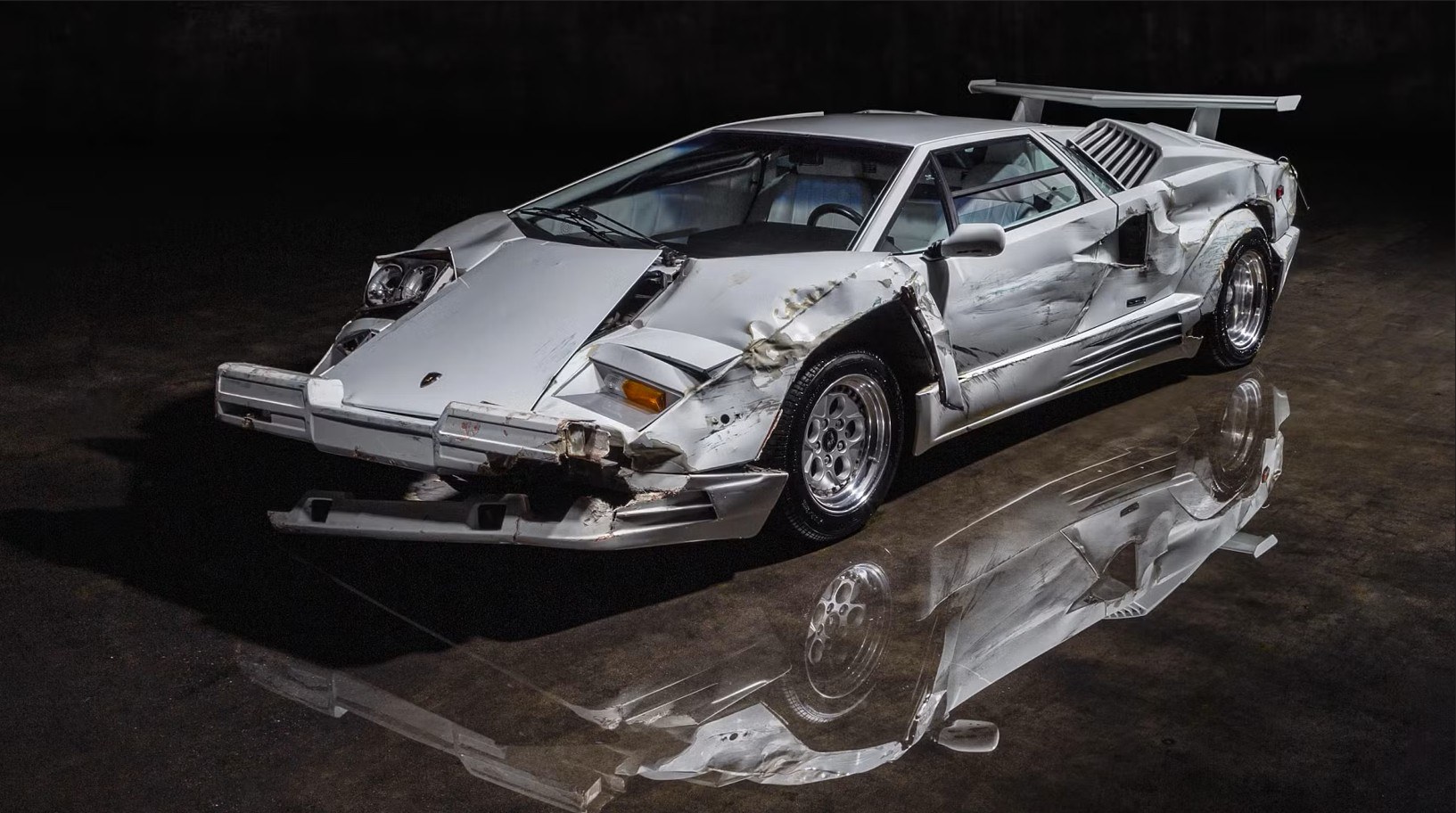
II. How to check a car’s history thoroughly?
A thorough history check must combine database records with on-site electronic verification. To ensure a vehicle is 100% legitimate, follow this dual-layer process:
1. Database Verification (Remote)
Use the VIN to check for:
- Theft Records: Ensuring the chassis isn't flagged by law enforcement.
- Financial Liens: Confirming no outstanding debt is owed to banks.
- Odometer History: Comparing previous service records to prevent "rollback."
2. Electronic Module Verification (On-Site)
Standard VIN checks only look at the physical number stamped on the chassis. However, modern vehicles contain dozens of electronic modules, each storing the VIN.
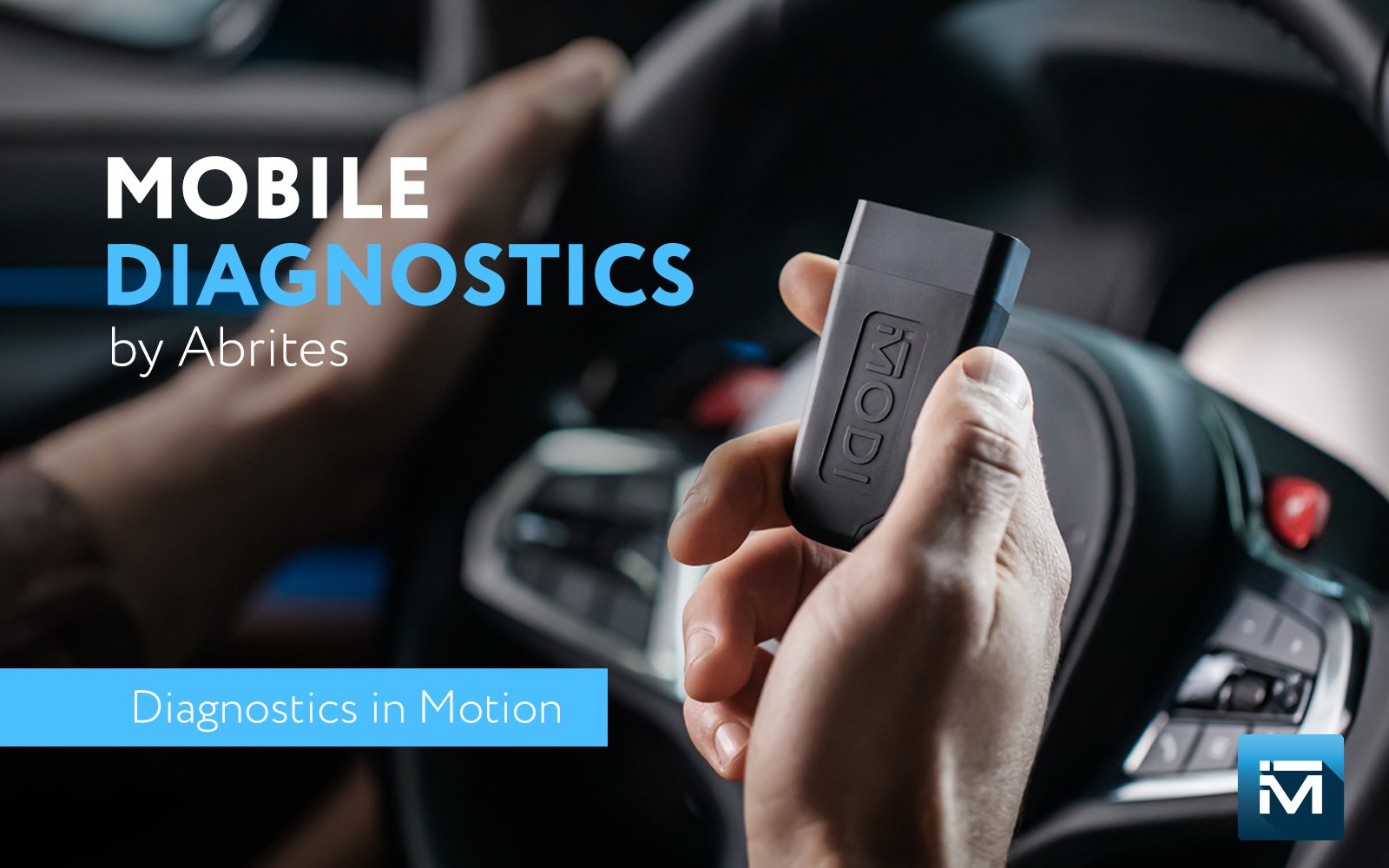
- The Abrites VIN Reader: This tool connects to the OBDII port to scan every module (ECU, Transmission, Airbags, etc.) simultaneously.
- Cross-Referencing: If a module displays a different VIN than the chassis, it may indicate a stolen component or an undisclosed major repair.
- Actual Mileage Tracking: The Abrites tool extracts "real" mileage stored deep within the car's electronics, which often reveals tampering that dashboard-only displays hide.
Key Fact: Using a dedicated hardware tool like Abrites MODI or VIN Reader allows you to generate a comprehensive "Health Report" immediately, which can be sent digitally to the seller to negotiate a fair price in euro.
III. Why do you need to check a car’s history?

Buying a used car involves high financial risk. Even if a seller appears "decent," you are likely dealing with a stranger in a one-time transaction. Checking the history allows you to:
1. Verify Safety: Ensure the car hasn't been written off in an accident
2. Protect Your Investment: Avoid buying a vehicle that could be seized by police if parts (or the whole car) are stolen.
3. Negotiation Power: If a component was replaced or a DTC (Diagnostic Trouble Code) appears, use that data to reduce the price.
The Recommended 7-Step Inspection Process:
1. Request the VIN: Get this during the initial phone call
2. Run an Online Report : Use high-reputation digital services first.
3. Physical Exterior/Interior Inspection: Look for alignment and wear issues.
4. Electronic Diagnosis: Use the Abrites VIN Reader to scan for hidden faults and VIN mismatches.
5. Analyze Technical Data: Compare the odometer value across all modules.
6. Test Drive: Always drive the car to assess mechanical feel.
7.Negotiate or Walk Away: Use the generated report to justify your offer. Never let the "dream car" fantasy override the data
IV. Where do I check a vehicle’s history?
In 2026, geography is no longer a barrier. You can perform a history check anywhere with an internet connection. * Online: Use reputable VIN decoding websites.
In-Person: Use portable OBDII diagnostic tools (like Abrites MODI VIN READER)
Research: Consult forums, search engines, and AI tools to understand common issues for specific models.

Bottom Line: Whether you are buying a standard commuter or a high-value collector's item, the "footwork" of verifying facts is your greatest strength in any negotiation.
Until next time, try to have fun — Alek
MODI VIN READER
FAQ (Frequently Asked Questions):
- To check a vehicle’s history, it is necessary to combine online VIN checks with a physical electronic diagnostic.
The first step is to enter the Vehicle Identification Number (VIN) into specialized platforms to check for possible theft, accidents, mileage tampering, or financial encumbrances.
For a complete verification, however, it is essential to also perform a diagnostic scan via the OBD port. This allows comparison of the data stored in the vehicle’s electronic modules (ECU, transmission, airbag, etc.) and helps identify discrepancies that are not visible in online databases.
- VIN verification is carried out by comparing the vehicle’s physical VIN with the VIN stored in the internal electronic modules.
In addition to visually checking the VIN on the chassis and in the documents, a professional diagnostic using advanced OBD tools such as Abrites VIN Reader/MODI makes it possible to read the VIN stored in the control units.
If one or more modules report a different VIN, this may indicate replaced components, undeclared major repairs, or vehicles of irregular origin.
- VIN verification is a control procedure that makes it possible to confirm the true identity of a vehicle by analyzing its unique chassis number.
It helps uncover mileage manipulation, theft, serious accidents, module replacements, and technical inconsistencies.
It is especially important when purchasing used cars, as it reduces financial and legal risks and provides objective data to assess the vehicle’s real value or negotiate its price.
 Mechanical Key Programming for Subaru Vehicles
 MQB & MLB Mileage Calibration and Key Learning